What to Wear on a Nairobi Safari Day Trip (And What to Bring)
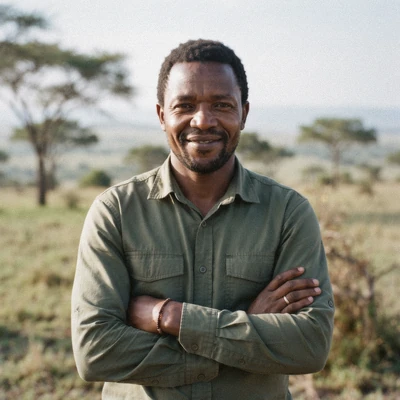
Deciding what to wear on safari in Nairobi is simpler than the packing lists suggest: this is a day trip from a big city, not a week in the bush. Mornings at the park's 1,795 metre elevation start cool, closer to 10°C than the balmy Nairobi most visitors expect, then climb past 25°C by midday, so the real packing challenge is layers rather than specialized gear. Most of what a first-time safari packing list demands, from binoculars to bottled water, is already covered by a well-run tour, which leaves a short, practical list of things worth bringing yourself. This guide breaks down exactly what to wear, what to bring, and what tours provide, so you can pack light for guided zoo tours in Nairobi without overthinking it.
Quick answer
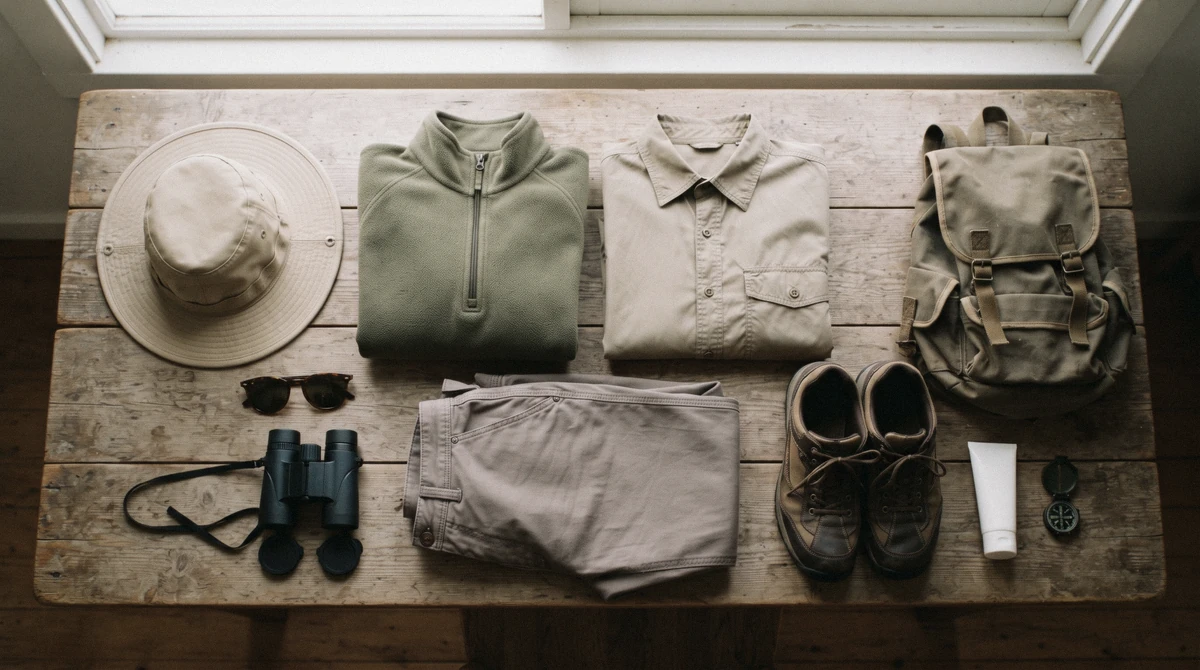
Wear neutral layers: khaki or olive over a t-shirt, closed shoes, and a hat. Mornings run 10 to 14°C at 1,795 meters elevation while afternoons climb past 25°C, so pack for both. Tours provide the extras, you provide the layers.
Key takeaways
- Layers beat any single jacket
- Stick to muted colors and skip bright white and black
- Closed, comfortable shoes are enough; boots are unnecessary
- Camouflage print is restricted for civilians in Kenya
- Single-use plastic bags are banned countrywide
What to Wear
Layers for the Morning Chill
Temperature swing is the single biggest factor in dressing for a Nairobi safari day. Gates open at 6:00, and at the park's 1,795 metre elevation, morning air typically sits between 10°C and 14°C, cold enough that many first-time visitors are caught off guard standing in an open-sided vehicle at sunrise. By late morning, the same day can climb past 25°C once the sun clears the acacia line.
The simplest solution is a light long-sleeve layer or fleece over a t-shirt, easy to remove and stuff into a day bag once the temperature rises. A single warm layer is genuinely enough. This is a half-day or full-day outing from a city hotel, not an overnight camping trip, so there is no need for insulated jackets or thermal base layers.
Quick-dry, breathable fabrics hold up better than heavy cotton across a full day that swings from a cool 6:00 start to a dusty midday game drive, and they pack down small enough to fit a carry-on if a safari day trip is only one stop on a longer Kenya itinerary.
Colors That Work Best
Muted, natural tones, tan, khaki, olive and light brown, are the standard safari recommendation, and they work well in Nairobi National Park for practical reasons rather than fashion ones: they show dust less, and they blend into the dry-season grassland rather than standing out against it. Dark blue and black are worth avoiding, a habit that traces back to areas with tsetse flies, which the colors are known to attract; the risk inside Nairobi National Park itself is minor, but the advice has become standard practice across East African safaris and it costs nothing to follow. Bright white is also worth skipping, since it shows dirt quickly on an open vehicle and can be more visible to wildlife at distance than muted colors.
Footwear
Closed, comfortable shoes are all that is required. Sneakers or light trainers are entirely sufficient for a Nairobi National Park game drive or a walk around the Giraffe Centre's raised feeding platform. Because the entire experience takes place from a vehicle or on paved and gravel paths rather than off-trail hiking, there is no practical need for hiking boots.
Flip-flops and open sandals are the one footwear choice worth avoiding, since dusty ground and occasional uneven steps at the Giraffe Centre or Sheldrick Wildlife Trust make closed shoes noticeably more comfortable. A pair already broken in before the trip is worth more than a brand-new pair bought the week before, since even a short walk across gravel at the Giraffe Centre can raise a blister in stiff, unworn shoes.
Safari Color Guide: What Works and What Doesn't
A quick reference for what to pack, and what to leave folded in the drawer:
| Color | Good? | Why |
|---|---|---|
| Khaki, tan, beige | yes | blends with dry grass, hides dust |
| Olive, muted green | yes | low contrast against bush |
| Grey, soft brown | yes | neutral and practical |
| White | avoid | glares in sun, shows every speck of red dust |
| Black, dark navy | avoid | absorbs heat, attracts tsetse-type flies |
| Bright red, neon | avoid | high contrast, unnecessary attention at sightings |
| Camouflage print | never | restricted to military use for civilians in Kenya |
None of this is about invisibility. Wildlife notices movement and sound far more than color, so this is really about comfort and courtesy at sightings. A note on jeans: they are fine for a vehicle day trip, though slow to dry if the weather turns.
Footwear: What Actually Works
A short answer for each shoe option travelers ask about:
- Sneakers or trail shoes: the right answer for a vehicle safari
- Light hiking shoes: worth it only if you add the ranger-led Hippo Pools walk
- Sandals and flip-flops: fine at lunch, wrong at the orphanage mud and on dusty paths
- Heels: no, venue rules aside, red murram dirt ruins them
What to Bring
Kenya's tourism economy has moved decisively toward cashless payment, and most park bookings, souvenir purchases and even small vendor stalls near the Giraffe Centre now run through card machines or M-Pesa, the country's mobile money system, rather than cash. That shift changes what is actually worth carrying: less physical currency, more of a plan for tips and small purchases. Pack light.
This short list covers everything worth bringing on a Nairobi safari day trip:
- Sunscreen, the equatorial sun is strong even on cooler dry-season mornings
- A wide-brimmed hat or cap for the open-sided vehicle
- Sunglasses to cut glare off the open plains by mid-morning
- Binoculars, rarely supplied by tours, for distant rhino and cheetah
- A camera with a spare battery, since a full day of use drains one quickly
- A refillable water bottle, even when bottled water is provided
- A small amount of cash or an active M-Pesa balance for tips and small purchases
- A photo of your passport for gate registration, since originals are not always required
- A light, low-scent insect repellent for early morning and dusk hours
- A small daypack to keep the above within reach on the vehicle
Sunscreen deserves a second mention on its own, because it is the single most commonly forgotten item on this list. Nairobi sits close to the equator at 1,795 metres, and thinner air at that elevation means less atmosphere to filter ultraviolet light, so exposure builds faster than the mild morning temperature suggests. Reapplying once around midday, after the morning chill has worn off, is worth the ten seconds it takes.
Hydration and Sun at Altitude
Nairobi's elevation catches most visitors off guard, because the city does not look or feel like a mountain destination. At 1,795 metres, the air is thinner and the sun stronger than the mild morning temperature suggests, and dehydration can creep up faster than expected across a 6 to 9 hour day spent mostly in an open vehicle. Most tours provide bottled water, but a personal bottle you can refill and sip from constantly, rather than one you open twice, makes a real difference by the afternoon.
Coffee or tea at breakfast is a poor substitute for water once the day heats up past midday. None of this requires special gear, just the habit of drinking on a schedule rather than waiting until you feel thirsty.
What Nairobi Tours Provide (So You Don't Overpack)
Read-out: hotel pickup is close to universal across Nairobi wildlife tours, park fees are only bundled on specific fee-inclusive itineraries, and items like binoculars and rain gear are the ones travellers most often assume are included and are not. Checking a tour's listed inclusions before you pack saves both suitcase space and last-minute gate-side surprises.
| Item | Provided by tours | Bring your own | Notes |
|---|---|---|---|
| Hotel pickup and drop-off | Yes, on nearly every tour | - | Pickup time confirmed by your guide the day before |
| Park entrance fees | Only on fee-inclusive tours | Card or cash as backup on other tours | Ask before booking if fees are not listed as included |
| Bottled water | Yes, on most tours | A refillable bottle is still worth carrying | Especially useful on full-day 7 to 9 hour itineraries |
| Binoculars | Rarely | Bring your own if you have them | Useful for distant rhino and cheetah sightings |
| Rain gear or ponchos | No | Pack a light waterproof layer during March to May | Open-sided and pop-up roof vehicles offer limited rain cover |
| Sunscreen, hat and repellent | No | Always bring your own | - |
| Free Wi-Fi on board | Only on select vehicles | - | Useful for sharing footage in real time |
What NOT to Wear or Bring
A short list of things to leave at the hotel:
- Camouflage-print clothing, civilians are restricted from wearing camouflage patterns in Kenya, and it can draw unwanted attention from officials
- Drones, flying one over Nairobi National Park or the Giraffe Centre requires a Kenya Wildlife Service and civil aviation permit arranged well in advance
- Single-use plastic bags, banned in Kenya since 2017 and confiscated at park gates if found
- Flip-flops or open sandals, impractical on dusty ground and uneven steps
- Heavy perfume or cologne, strong scents can affect wildlife behavior at close range, particularly during giraffe or elephant encounters
A few of these carry more weight than a simple style preference. Camouflage-patterned clothing is restricted for civilians under Kenyan law, a rule that applies across the country and not only inside the park, so it is worth leaving at home rather than risking a conversation with an official at the gate. The plastic bag ban has been enforced since 2017 with real fines attached, and bags are checked and confiscated routinely at both park entrances and the airport, so repack any duty-free items into a fabric or paper bag before you land.
Drone rules are treated seriously too: Kenya Wildlife Service permits are handled separately from the general civil aviation approval required for any drone flight, and the process takes days rather than minutes, which rules out flying one spontaneously on the morning of your tour. None of these restrictions are unique to safari travel, but they catch first-time visitors more often than any clothing choice on this list.
Packing by Season in Nairobi
June to October: Dry and Cool Mornings
This is the season where the layering advice matters most. Morning temperatures at the 6:00 gate opening typically run 10°C to 14°C, cold enough to want a fleece or light jacket, while afternoons stay dry and can climb past 25°C. Dust is more of an issue than rain in these months, which makes muted colors and a bandana or light scarf genuinely useful rather than optional.
March to May: The Long Rains
Pack one light waterproof layer, a packable rain jacket or poncho rather than a heavy coat, since afternoon downpours are frequent but usually short. Closed shoes matter more in this season, as paths around the Giraffe Centre and Sheldrick Wildlife Trust can turn muddy. For a full breakdown of what each season looks like, our guide to the best time to visit Nairobi National Park covers monthly conditions in detail.
November to February: Warm and Mostly Dry
November through February covers both the short rains and the warmest dry stretch of the year, and packing for it sits between the other two seasons. Expect brief afternoon showers through early December, then increasingly dry, hot conditions by January and February with daytime highs near 28°C. A single light layer for the 6:00 gate opening is still worth packing, since mornings stay cooler than the rest of the day even in the warmest months, but the heavier rain layer needed in March through May is not necessary here. Sun protection matters most in this window, since clear skies mean more direct exposure across a full morning game drive.
Broken down by month rather than by season, the same packing logic looks like this:
| Season | Wear this |
|---|---|
| January-February, warm and dry | Light layers, a sun hat, and a fleece for the 6:00 start only |
| March-May, the long rains | A waterproof shell, quick-dry trousers, and closed shoes you can rinse off |
| June-August, cool and dry | A real fleece or light jacket for the whole morning, with layers underneath |
| September-October, warm and dry | The lightest kit of the year, sun protection first |
| November-December, the short rains | A light rain layer, otherwise the warm-dry kit above |
What to Wear for a 6:00 Game Drive
The counterintuitive fact about a Nairobi morning is the cold start: 10 to 14°C at 1,795 meters, and an open-sided vehicle adds wind chill on top of that once it starts moving. Dress for a cool autumn morning, not a tropical one, then peel down to a t-shirt by around 10:00 once the sun clears the acacia line. A beanie or buff, plus a fleece, plus a shirt underneath is the working formula that covers the whole range without overpacking.
Pockets beat a bag in the vehicle, since anything loose in a daypack ends up buried under a jacket the moment you need it for a photo.
Giraffe Centre vs the Park: Dress for Both in One Day
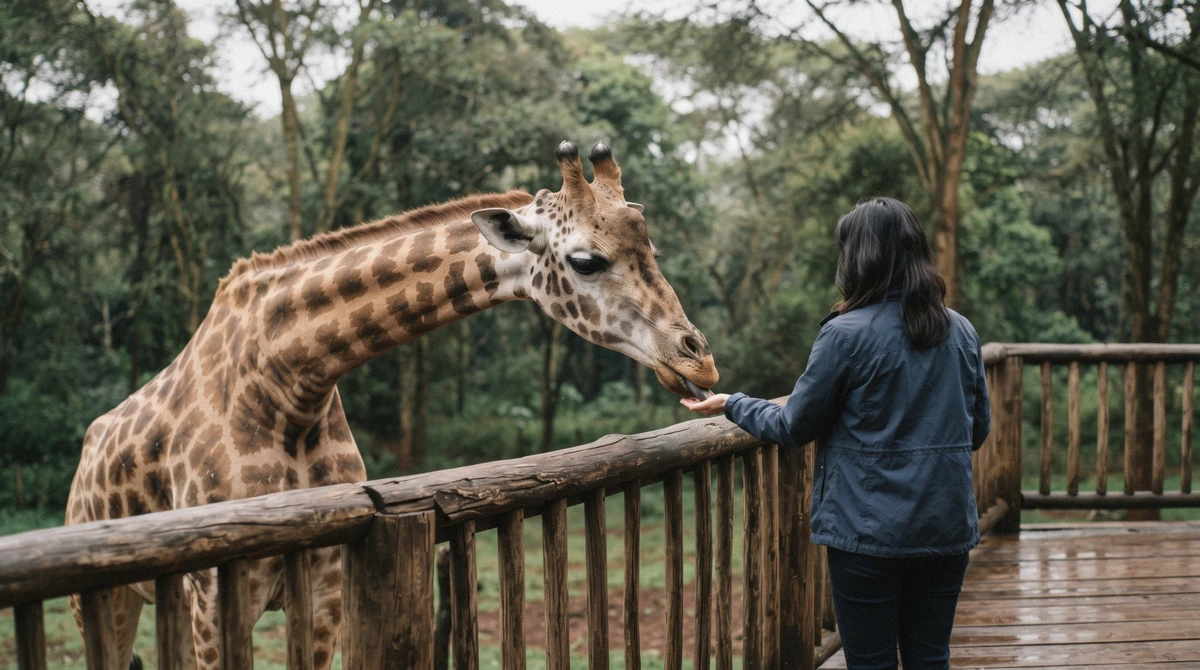
Most full days combine the two, and each wants something slightly different. The park morning calls for the layers above, cold at the gate and warm by mid-morning. The Giraffe Centre in the afternoon is warmer and dustier, with a raised feeding platform, so closed shoes matter, loose scarves are worth leaving in the vehicle near the giraffes, and a pack of wet wipes earns its place for pellet-covered hands afterward.
One outfit with removable layers, rather than a full change of clothes, covers the whole day comfortably.
Packing for Kids
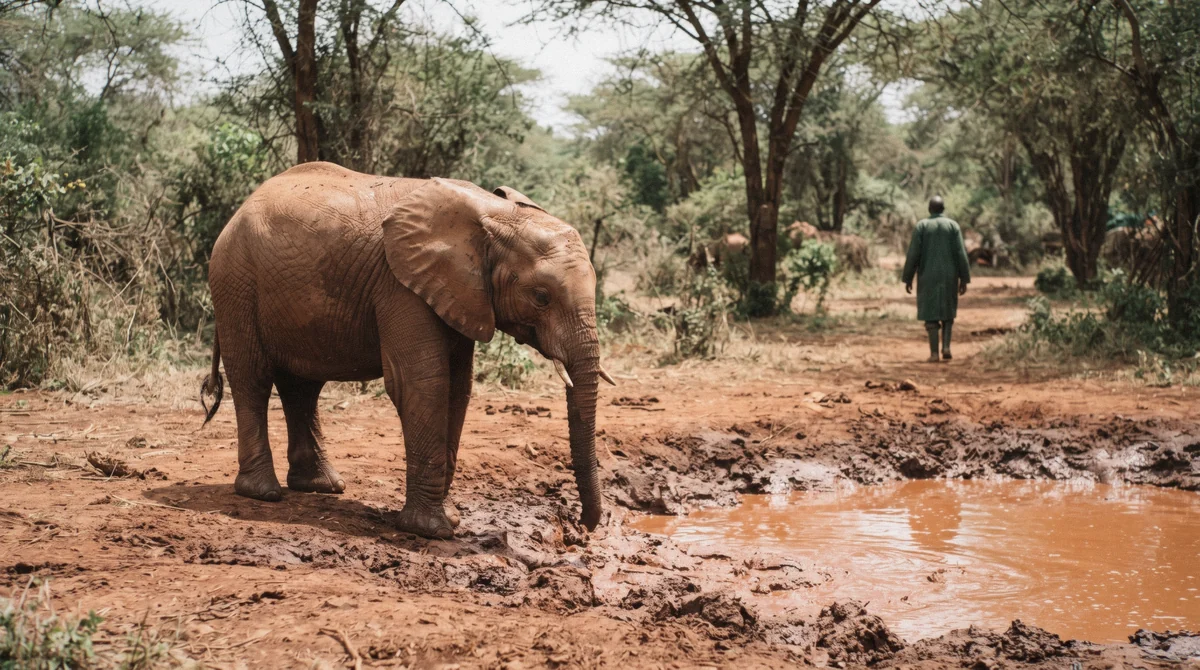
Families combining a game drive with the Giraffe Centre half-day tour or the elephant orphanage tour should pack a pack of wet wipes without fail. Giraffe feeding pellets leave hands sticky, and the ground around the Sheldrick Wildlife Trust's elephant orphanage viewing area can be genuinely muddy, especially just after rain. A change of socks in the daypack is a small addition that saves a long car ride home in damp shoes.
Sun protection matters more for kids than adults on an open vehicle, since a wide-brimmed hat and reapplied sunscreen are easy to forget once the excitement of a lion sighting takes over. If you are still deciding whether the trip is worth the packing effort in the first place, our honest look at whether Nairobi National Park is worth it walks through the real costs and payoffs. The full family playbook, ages, attention spans and all, lives in our Nairobi National Park with kids guide.
The Packing Checklist
Everything worth having in the daypack before the 6:00 gate opening:
- Passport or ID copy for the park gate
- Working bank card and M-Pesa (everything is cashless)
- Wide-brim hat
- Sunglasses
- Sunscreen
- Binoculars
- Camera with a spare battery
- Light fleece or jacket for the 6:00 start
- Refillable water bottle
- Small daypack
Two Situations Worth Dressing For
Photography mornings
Long sleeves in neutral tones, a hat that shades the viewfinder, a camera strap, a spare battery kept in a warm pocket since cold drains them, and a lens cloth for dust.
Inside the safari vehicle
Window seats get dust, and mornings bring cold air at speed once the vehicle is moving. A light scarf or buff helps, and it is worth keeping the fleece on until about 9:00. On open-side vehicles, it is fine to ask your guide for a blanket.
Frequently Asked Questions
Do I need hiking boots for a Nairobi safari?
No. A Nairobi National Park game drive takes place entirely from a vehicle, and stops at the Giraffe Centre or Sheldrick Wildlife Trust involve paved or gravel paths, not off-trail walking. Closed, comfortable sneakers or trainers are sufficient.
Do I need binoculars for a Nairobi safari, or do tours provide them?
Bring your own if you can. Most Nairobi game drive vehicles do not carry loaner binoculars, and the pop-top viewing distances make even a compact 8x32 pair earn its place in the daypack. Guides spot the animals for you, but binoculars turn a distant rhino into a memory rather than a grey dot.
Is it better to pay with cash or card in Nairobi?
Most tour and attraction payments in and around Nairobi run through card or M-Pesa rather than cash, including many eCitizen-linked park bookings. Carry a small amount of Kenyan shillings for tips and informal purchases, but do not rely on cash alone.
What should kids wear on a Nairobi safari?
The same layering principle as adults: a light jacket for the cool 6:00 start, closed shoes, and neutral colors. Pack wet wipes separately for giraffe feeding and the elephant orphanage's muddy viewing area.
Do tours provide rain gear during the wet season?
No. Ponchos and rain jackets are not standard tour inclusions, and open-sided or pop-up roof vehicles offer limited shelter, so pack a light waterproof layer if visiting during March to May or November to December.
Are drones allowed in Nairobi National Park?
Not without a permit. Kenya Wildlife Service and civil aviation approval are both required in advance, and casual drone use at the park or the Giraffe Centre is not permitted without one.
Can you wear jeans on a Nairobi safari?
Yes, for a day trip in a vehicle. They are slow to dry in the rainy months, so cotton chinos are the easier choice if rain looks likely.
Can you wear shorts on safari in Nairobi?
Yes, by afternoon once the day has warmed up. Mornings at this altitude argue for trousers, and long fabric also doubles as sun and insect protection.