Best Time to Visit Nairobi National Park: Month-by-Month Guide

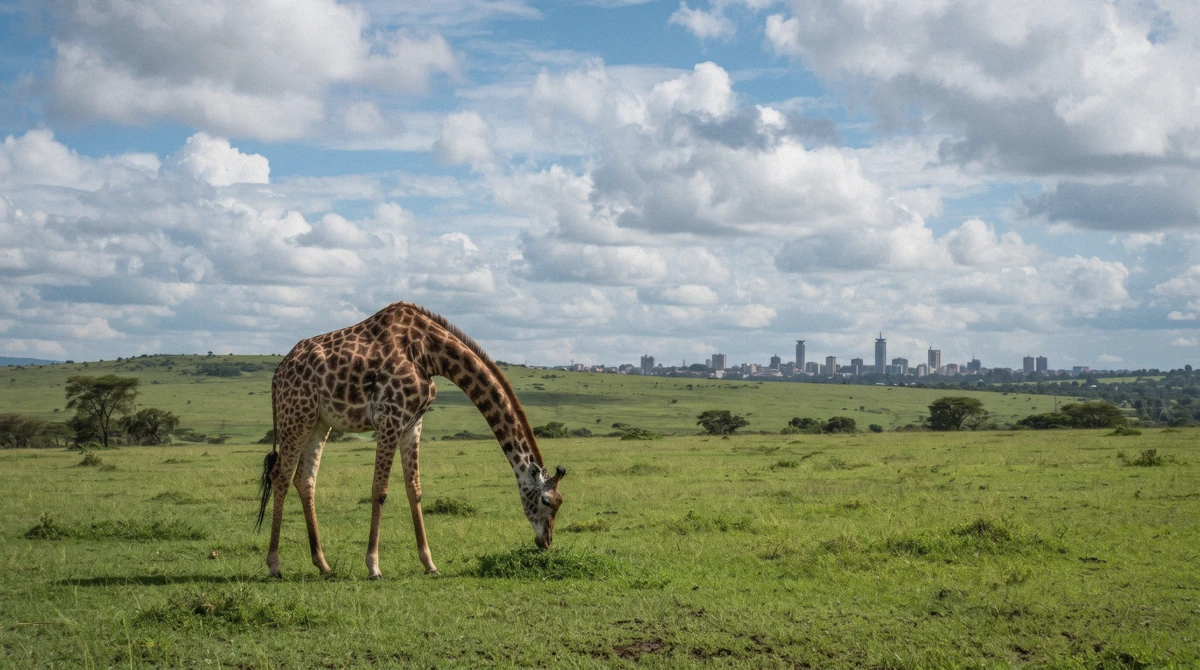
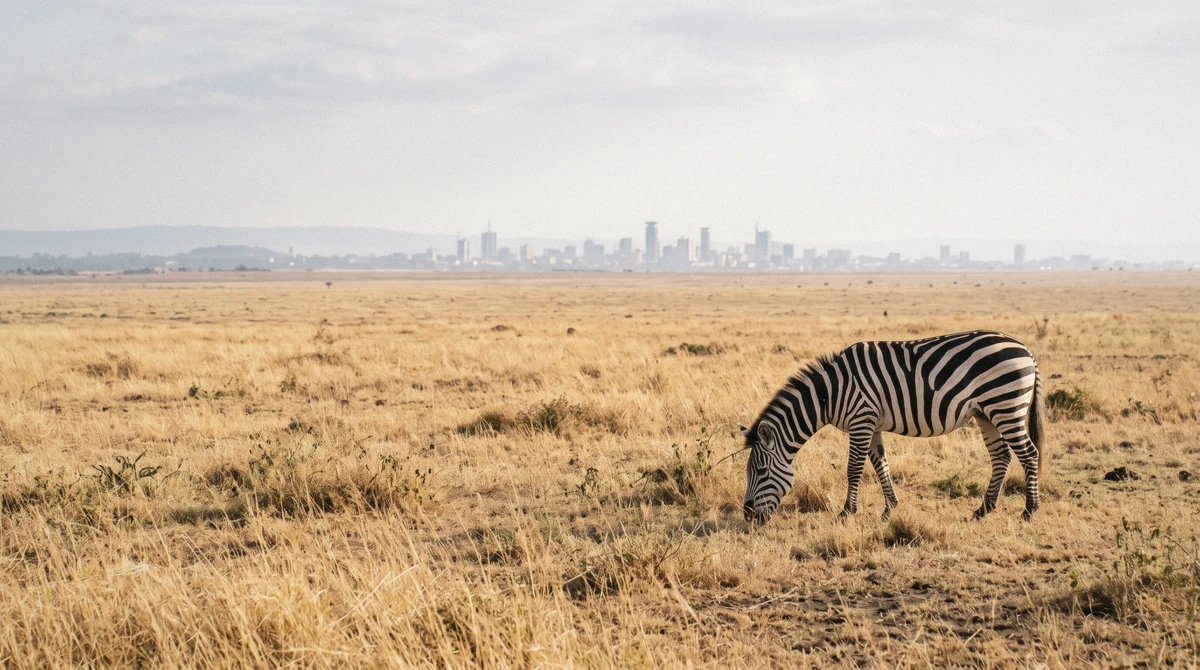
The best time to visit Nairobi National Park is June to October and January to February, when short grass and low water levels concentrate wildlife around the Athi and Mbagathi rivers, making sightings easier and more frequent. These dry months also bring the clearest skies over the plains, with lion, giraffe and zebra visible against the Nairobi skyline in nearly every direction you look. March to May brings the long rains, when the park turns green and quiet, but grass grows tall enough to hide ground-level game. Whatever month you land, gates are open daily, so a visit fits neatly into a short stopover as part of the wider Nairobi safari and zoo experiences the city has to offer.
Quick answer
The best time to visit Nairobi National Park is June through October and January through February, the two dry seasons when short grass and low water levels concentrate wildlife around the rivers and firm roads make an early morning game drive easier to enjoy. The long rains from March to May bring the toughest viewing conditions of the year.
Key takeaways
- The dry seasons, June to October and January to February, are the best times to visit
- January and February bring newborn animals and fewer visitors than the mid-year peak
- Whatever month you go, arrive at the gate at 6:00 for the best sightings
- The long rains from March to May bring tall grass and the hardest viewing, though birding is at its best
- The park stays open year round, so there is no truly bad month to go
Seasons at a Glance
Here is how each season on the Nairobi National Park calendar compares, at a glance:
| Season (Months) | Weather | Wildlife viewing | Crowds | Verdict |
|---|---|---|---|---|
| January to February | Hot and dry, daytime highs of 25 to 28°C, virtually no rain | Excellent, short grass and newborn calves | Moderate, holiday crowds tapering off | Best overall |
| March to May (Long Rains) | Frequent afternoon downpours, 22 to 25°C, humid | Harder, tall grass hides ground game | Low, fewest visitors of the year | Good for birding, skip for rhino and cats |
| June to October (Dry Season) | Cool mornings of 10 to 14°C, dry sunny days | Excellent, animals concentrate at waterholes | High, July and August school holidays | Best overall |
| November to December (Short Rains) | Brief afternoon showers, 20 to 24°C, plains greening | Good, grass still short before the new growth flush | Moderate, rising toward Christmas | Solid shoulder season |
Two windows stand out for wildlife viewing, January to February and June to October, while March to May trades visibility for lush scenery and strong birdlife.
Month by Month: Wildlife, Weather and Crowds
For a closer look than the season-by-season summary above, here is how each individual month plays out:
| Month | Wildlife highlights | Weather | Crowds | Verdict |
|---|---|---|---|---|
| January | newborn gazelles and zebras, clear skies | warm, dry | low | excellent |
| February | warmest month, big cats active at dawn | hot, dry | low | excellent |
| March | long rains begin late month, grass rising | warming, rain starts | very low | good early month |
| April | peak long rains, tall grass hides game, best birding | wet | quietest | birders only |
| May | rains taper, park lush and green | wet, cooling | very low | fair |
| June | dry season starts, cool mornings | cool, dry | moderate | very good |
| July | coolest month, reliable rhino sightings | cool, dry | peak | excellent |
| August | short grass, animals at waterholes | cool, dry | peak | excellent |
| September | warm days, superb visibility | warm, dry | high | excellent |
| October | dry season winds down | warm, mostly dry | moderate | very good |
| November | short rains, migratory birds arrive | warm, showers | low | good for birders |
| December | showers ease, festive-season visitors | warm, some rain | moderate | good |
July, August and September stand out as the most reliable single months, with January and February close behind for travelers who would rather skip the crowds. See our guide to what the park costs by season for how prices shift alongside these conditions.
Typical Temperatures and Rainfall
Nairobi sits at 1,795 meters, so the numbers surprise people used to lowland safaris. Typical monthly values:
| Month | High | Low | Rainfall |
|---|---|---|---|
| January | 26°C | 12°C | 55mm |
| February | 27°C | 13°C | 50mm |
| March | 27°C | 14°C | 90mm |
| April | 25°C | 14°C | 190mm |
| May | 23°C | 13°C | 120mm |
| June | 22°C | 11°C | 30mm |
| July | 21°C | 10°C | 18mm |
| August | 22°C | 10°C | 24mm |
| September | 25°C | 11°C | 30mm |
| October | 26°C | 13°C | 55mm |
| November | 24°C | 13°C | 150mm |
| December | 24°C | 13°C | 100mm |
Those cool mornings, particularly from June through September, change what you should pack more than most visitors expect. Our guide to what to wear on a Nairobi safari covers the layers that work best. Figures are long-term averages in line with Kenya Meteorological Department data for Nairobi; check the current forecast close to your dates.
January and February: Clear Skies After the Short Rains
January and February sit in the gap between the short rains of November and December and the long rains that start in March, and the result is some of the clearest, driest weather Nairobi National Park sees all year. Daytime temperatures climb to a comfortable 25 to 28°C, skies stay largely cloudless, and dust rises off the Athi Plains by mid-morning as vehicles move between waterholes. Grass across the park is still short from the previous season's rain, so sightlines stretch across open ground toward Nairobi's skyline, a view genuinely unique to this park among the world's protected areas.
Newborn zebra and wildebeest foals are common through these two months, drawing the attention of resident lion prides that patrol the eastern boundary. Mornings remain cool enough at the park's elevation to justify a light jacket at the 6:00 gate opening, even though the day warms quickly once the sun clears the acacia line.
- Daytime highs of 25 to 28°C with almost no rainfall
- Early game drives start near 14°C at the 6:00 gate opening
- Newborn zebra and wildebeest foals are common through both months
- Short grass keeps sightlines open across the Athi Plains
March to May: The Long Rains
The long rains transform Nairobi National Park more dramatically than any other season. Afternoon downpours arrive most days, usually after a dry morning, and by April the grass across the open plains has grown tall enough to screen lions, cheetah and rhino from anything but a close pass. What the park loses in ground-level visibility during these months, it gains in birdlife: migratory species that arrive between November and April are still present through May, and the wetlands along the Mbagathi River fill with waders and herons rarely seen once the dry season sets in.
Sections of the park sit on black cotton soil, and after sustained rain those tracks turn slick and rutted, which is why most operators switch to four-wheel-drive vehicles for the duration. Crowds thin out considerably, and travellers who prioritize a quieter, greener park over more reliable rhino sightings tend to leave this season satisfied rather than disappointed.
- Afternoon downpours are typical, mornings often stay dry until midday
- Migratory bird species from the November to April season remain visible through May
- Grass reaches waist height by April, screening lions and rhino from open ground
- Black cotton soil sections require four-wheel-drive vehicles once rains set in
June to October: The Long Dry Season
June through October is Nairobi National Park's longest stretch of reliable dry weather, and it produces the most consistent wildlife viewing of the year. Grass across the plains drops to its shortest height, and waterholes along the Athi River shrink to a handful of reliable points, drawing buffalo, zebra, giraffe and the park's resident black rhino population within easy sighting distance of the main tracks. Morning temperatures at the 6:00 gate opening sit between 10°C and 14°C, the cold start of the year.
Rhino sightings are most consistent on early drives before 8:00, when the animals are still active before the day's heat sets in. The trade-off is popularity: July and August coincide with school holidays across Europe and North America, making them the two busiest months at the main gate.
- Morning temperatures of 10 to 14°C at the 6:00 gate opening, despite the dry heat later in the day
- Waterholes at their lowest, concentrating buffalo, zebra and giraffe near the main tracks
- Rhino sightings most consistent before 8:00, while animals are still active
- July and August are the two busiest months of the year at the main gate
November and December: The Short Rains
The short rains bridge the dry season and the new year, and they tend to be gentler and more predictable than their March-to-May counterpart. Showers typically arrive in the afternoon, last under an hour, and clear quickly, leaving mornings dry and workable for a full game drive. Grass remains short enough for good visibility through most of November, before the growth that follows the rains starts to thicken by January.
Crowds build steadily through December as the Christmas and New Year period approaches, though the park rarely reaches the congestion of July and August even during its busiest week. For travellers who want dry-season visibility without competing with the mid-year school holiday crowds, this short window is often the best-kept secret on the calendar.
- Short afternoon showers, usually under an hour, with dry mornings
- Grass stays short enough for good visibility through most of November
- Crowds build steadily toward Christmas and New Year but rarely reach July and August levels
- A reliable shoulder season for dry-season visibility without peak-month crowds
What Actually Affects Game Viewing
Wildlife viewing at Nairobi National Park has less to do with the calendar month than with three physical factors that repeat every year. The first is grass height: after sustained rain, grass on the open plains grows tall enough within a few weeks to hide lions, cheetah and rhino from view at anything beyond close range, which is why the long rains season consistently produces fewer big-cat sightings even though the animals never actually leave. The second is water: once the dry months set in, the Athi and Mbagathi rivers shrink to a handful of reliable pools, and animals that would otherwise spread across the park's full 117 square kilometres cluster predictably around those points instead.
The third is the road surface itself: much of the park sits on black cotton soil, which turns to thick, tyre-grabbing mud within hours of heavy rain, forcing tour vehicles onto slower four-wheel-drive routes. Because mornings can be surprisingly cool at this altitude regardless of season, dressing in real layers matters as much as picking the right month; our guide to what to wear on a Nairobi safari covers the full packing list.
Best Time of Day
Nairobi National Park's gates open at 6:00 and close at 19:00, and the hour you choose inside that window matters as much as the month. Big cats are most active in the first two hours after sunrise, while temperatures are still cool and before the plains fill with vehicles, which makes an early morning game drive tour the single best-value slot on the schedule. Pair it with the 11:00 Sheldrick orphanage hour if elephants are on your list, game drive first, orphanage second.
The Giraffe Centre, by contrast, keeps a relaxed schedule from 9:00 to 17:00, so it slots in easily either before or after.
Best Season by Traveler Type
If a photographer
visit July to September for golden dry-season light and short grass, and plan your first hour right after the 6:00 gate opening.
If traveling with kids
aim for January or February, when mornings are warm and dry and newborn animals are common; the half-day format suits shorter attention spans.
If on your first safari ever
come between June and October, when sightings are easiest and the roads stay firm.
If a birdwatcher
visit November through April, when European and Asian migrants join the park's more than 400 resident species.
If on a tight budget
travel March to May, the quietest months of the year and the best window for tour discounts, such as our cheap game drive.
The Best Month If You Only Have One Morning
If the trip date is still flexible within the year, aim for September first, then July, then February, then January, in that order of confidence. Each month gives dry-season visibility with a slightly different trade-off: September is warm and clear with waterholes at their lowest, July is cool and sharp but sits at the peak of the school-holiday season, and January and February are quieter with newborn animals on the plains. Any of the four pairs well with an early morning game drive.
The Worst Time to Visit Nairobi National Park (Honestly)
April, and the March-to-May long rains generally, are the hardest window for first-time wildlife viewing. Grass grows to two meters in places, black cotton roads turn slippery, and animals disperse away from the shrinking waterholes that make dry-season sightings so much easier. It is not a bad time to be in Nairobi, and birders get the best months of the year as migratory species pass through, but if the game drive is the whole point of the trip, aim for another window on the calendar instead.
What You'll See Season by Season
Dry season sightings (June to October, January to February)
The dry months bring the most reliable wildlife viewing of the year. The species-by-species version, with honest sighting odds, is in what animals are in the park.
- Rhinos at close range
- Lions on morning kills
- Buffalo and giraffes at waterholes
- Clear skyline photographs
Rainy season sightings (March to May, November to December)
The wetter months trade some visibility for scenery and birdlife.
- Green landscapes
- Migratory birds
- Baby animals
- Dramatic cloud light
Crowds and Prices Through the Year
Two windows account for most of the congestion at Nairobi National Park's main gate: July and August, driven by the northern hemisphere's summer school holidays, and the ten days spanning Christmas through New Year. Outside those windows, and especially on weekdays, the park rarely feels crowded even at its busiest viewing points, since its 117 square kilometres absorb visitor traffic far better than smaller reserves. Travellers on a short stopover often assume a compact visit means missing out, but a well-timed 4-hour layover safari covers the same core viewing areas as a full-day trip, just on a tighter, gate-to-gate schedule.
If you are weighing whether to visit independently rather than joining a group, our guide to visiting Nairobi National Park without a tour walks through self-drive gate procedures and permit costs in full.
What If It Rains?
Rain rarely cancels a Nairobi National Park game drive outright. Vehicles keep running through the light-to-moderate showers typical of the long and short rains seasons, and many guides note that the hour just after a shower can bring some of the best light of the day, as dust settles and animals move back into the open. What changes is the road surface: on the park's black cotton soil sections, sustained rain turns tracks slippery enough that operators shift onto slower, dedicated four-wheel-drive routes rather than cancelling outright.
There is no separate weather-cancellation policy specific to this park on our site, since drives here are rarely called off entirely, but if you are visiting during March to May or November to December, building a half-day buffer into your itinerary is sensible.
So, When Should You Go?
If wildlife visibility is your priority, aim for June through October or January through February, when short grass and shrinking waterholes put lions, rhino, giraffe and buffalo within easy view of the main tracks. If you would rather trade a slightly lower chance of big-cat sightings for quieter roads, greener scenery and strong birdlife, March to May and November to December both deliver a rewarding, less crowded park. There is no genuinely bad month to visit Nairobi National Park, since gates open daily year-round, but the dry-season windows remain the safest bet for a first visit.
If you are still weighing whether the park deserves a spot on your itinerary at all, our honest look at whether Nairobi National Park is worth it covers the tradeoffs in full.
Frequently Asked Questions
What is the single best month to visit Nairobi National Park?
If you can only choose one month, September edges out the rest of the dry season: waterholes are at their lowest, grass is at its shortest, and the July-August crowds have started to thin before the Christmas rush begins. Rhino and cheetah sightings tend to be more reliable in this window.
Is Nairobi National Park worth visiting during the long rains?
Yes, with the right expectations. March to May brings fewer big-cat and rhino sightings because tall grass screens ground-level game, but birdlife is at its richest and the park is at its quietest, with far fewer vehicles at each viewing point.
When do animals give birth in Nairobi National Park?
Most zebra and wildebeest calving happens from December through February, shortly after the short rains green up the plains. Newborn foals in this window also draw more attention from resident lion prides, which can make for dramatic sightings.
Does rain ever cancel a Nairobi National Park game drive?
Rarely. Drives continue through the light-to-moderate showers typical of the long and short rains, though sustained rain can force vehicles onto slower four-wheel-drive routes across the park's black cotton soil sections.
Is early morning or midday better for a Nairobi National Park game drive?
Early morning, and by a wide margin. Big cats are most active in the two hours after the 6:00 gate opening, temperatures are cooler, and the park has not yet filled with the day's vehicle traffic.
How far in advance should I book during July and August?
At least two to three weeks ahead if possible. July and August are the park's busiest months due to school holidays abroad, and popular morning slots on well-reviewed tours can fill before the week you plan to visit.
Is Nairobi National Park open year round?
Yes. The park opens 365 days a year from 6:00 to 19:00. Only the quality of viewing changes with the season, not whether the gates are open.
Is July the best month to visit Nairobi National Park?
It is one of the two best windows, alongside January. July brings reliable rhino sightings and cool, dry mornings, though January offers similar conditions with fewer visitors.
Is December a good time for a Nairobi safari?
Yes, with a couple of caveats. The short rains ease through the month and festive-season crowds stay moderate rather than heavy, so it helps to book earlier than you would for a quieter month.