Is Nairobi National Park Safe? Honest Answer and Who Shouldn't Go
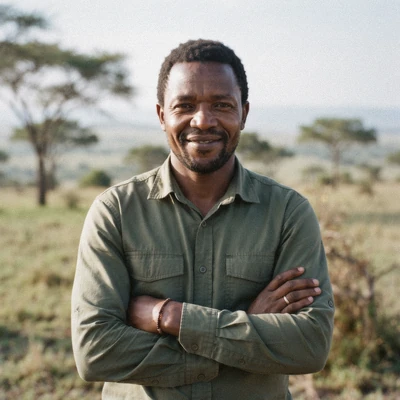
Is Nairobi National Park safe? Yes, for nearly everyone: every sighting happens from inside a vehicle on a road network patrolled daily by Kenya Wildlife Service rangers, and no independent public record ties a visitor death specifically to the park's tourism operations. It genuinely is not risk-free, and it is not right for every traveler; pregnancy, certain heart and back conditions, and mobility limits around a couple of add-on stops are worth knowing before you book. Below we cover the real regulation, the honest risks and how good operators manage them, who should think twice, and how to vet an operator before you pay. Compare every licensed wildlife tours in Nairobi option once you're ready.
Quick answer
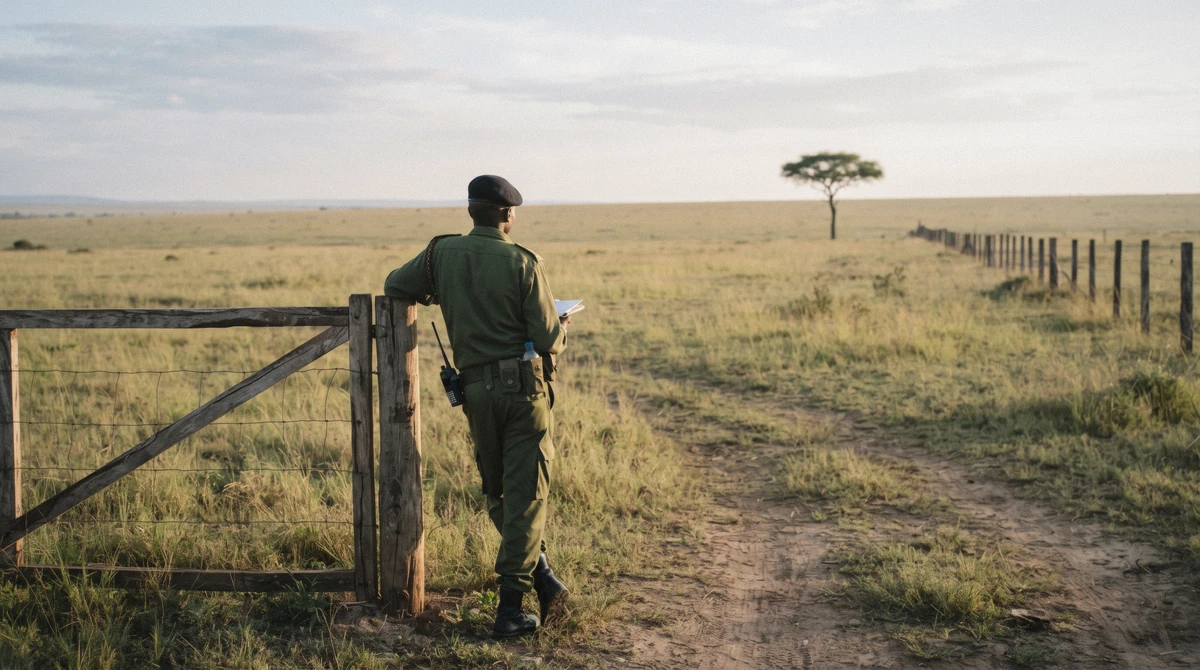
Nairobi National Park is a closely regulated, vehicle-based safari inside a Kenya Wildlife Service park, and no independent public record ties a visitor death or serious accident specifically to its tourism operations. It isn't risk-free, and it genuinely isn't for everyone.
Key takeaways
- Viewing happens from inside a vehicle on ranger-patrolled roads; there is no verified public incident record specific to park tourism to cite
- Kenya Wildlife Service licenses and inspects the operators running tours inside the park
- Pregnancy is the restriction that most often excludes a traveler; serious heart, back, or mobility conditions are worth a doctor's input first
- Vet an operator by asking about their KWS permit, their vehicle's condition, and whether they'll cancel outright in bad weather rather than push ahead
- The full restriction table below covers pregnancy, age, mobility, and more, condition by condition
The Five Kinds of Safety, Separated
Visitor safety
Rules and rangers do the heavy lifting here: posted speed limits, marked roads, gate hours, and daily patrols. The full detail sits further down this guide.
Wildlife safety
Animals along the road treat a vehicle as part of the scenery rather than a threat or a target. The incidents that do get reported track rule-breaking, a driver edging too close or a visitor feeding a monkey, rather than unprovoked aggression.
Driving safety
Tracks, posted speed limits, and wet-season mud during the long rains are the real variables. Our self-drive guide covers the fuller picture for anyone driving themselves.
City safety
A different question from the park entirely. Ordinary big-city awareness applies in Nairobi's central business district, the same as in any capital city, and your own government's official travel advisory service is the right source for current conditions, not a tour-focused blog.
Health safety
Sun at 1,795 meters is the everyday risk, stronger than the mild morning temperature suggests, so carry water and expect to reapply sunscreen. Malaria prophylaxis for a Nairobi-only itinerary is a conversation to have with a travel clinic, not something to decide from a blog post.
Emergency Numbers and Medical Care
Call 999 or 112 from any phone in an emergency, both work nationwide including from a mobile. Kenya Wildlife Service contact details are printed on the eCitizen ticket and listed at kws.go.ke. The Karen Hospital and Nairobi's major private hospitals sit within roughly 30 to 45 minutes of the gates.
Tours carry basic first-aid kits; ask your guide where the nearest help is if that matters to your planning.
Can Children Visit Safely?
Yes. The vehicle-based viewing that makes the game drive manageable for most adults suits kids the same way, and the real management issues are patience and sun rather than danger. For the full family playbook, ages, car seats, and what to pack, see Nairobi National Park with kids.
Is It Safe for Seniors?
Yes for most travelers. The physical asks worth knowing ahead of time are the 5:45 start, the step up into a 4x4, and corrugated tracks on the dams loop. Travelers with back or hip issues should request the front seat and consider a private pace rather than a shared vehicle's fixed schedule.
The Safari Walk and Giraffe Centre remain the lower-effort alternatives for anyone who would rather skip the game drive's bumpier stretches.
Who Should Reconsider
If you're pregnant
most tours involve a jostling ride on unpaved sections, and this activity is generally excluded during pregnancy; see the alternatives below.
If you have a heart condition or high blood pressure
talk to your doctor first and ask your operator honestly about the drive's duration and how bumpy the dams loop gets.
If you have a serious back problem or recent surgery
a three to nine hour day on unpaved tracks is a real consideration; ask your operator about their smoothest route or a shorter tour.
If you have limited mobility
the game drive itself is fine from a vehicle seat, but the Sheldrick standing hour and the Giraffe Centre's stairs are worth planning around.
If you're sensitive to strong sun
the park sits at 1,795 meters, where the sun is stronger than the mild temperature suggests; plan for shade and reapplied sunscreen.
The Safety Record: What the Numbers Say
No national or independent body publishes a tourism-specific accident or fatality count for Nairobi National Park, and this guide won't invent one to fill that gap. What can be said plainly: every sighting on a standard tour happens from inside a vehicle on a maintained road network patrolled daily by Kenya Wildlife Service rangers, a structure closer to a regulated national park drive than an open-range wilderness excursion. The park's boundary is fenced on three sides, with the Athi-Kapiti plains open to the south, which also means road conditions and animal movement are more predictable here than in Kenya's larger, unfenced parks.
Framed against everyday risk, the drive itself, a slow-moving vehicle on a signed road network, sits closer to an ordinary guided road trip than a wilderness trek; the least-controlled variable on most days is road surface and traffic, not wildlife. Where real incidents have occurred in Kenyan parks generally, the documented pattern is single-vehicle accidents on wet-season tracks, which has pushed operators toward lower speed limits and restricted route choices during the long rains, the kind of season-driven caution reputable operators still practice today.
It's also worth separating this question from a different one readers sometimes mean when they ask if the park is safe: crime or unrest in Nairobi as a city. That's outside what a tour-focused guide can responsibly judge. For destination-level safety, current advisories, and crime patterns, your own government's official travel advisory service is the right source, not a tourism site's opinion; this section covers activity safety inside the park's boundary only, which is a narrower and more answerable question.
What Makes It Safe(r) Here: Rules and Local Practice
Kenya Wildlife Service is the named authority that licenses tour vehicles and drivers, checks roadworthiness, and enforces the park's operating rules: posted speed limits, staying on marked roads, gate hours from 6:00 to 19:00, and no off-road driving except at designated stops. Reputable operators carry passenger liability insurance as standard business practice, though coverage isn't independently published operator by operator, so it's worth asking about directly before you book.
Go or no-go calls on a given day are typically made by the individual driver-guide in real time, based on road conditions, mud on the dams loop after rain, and animal behavior near the road; Kenya Wildlife Service can close specific roads or the entire park after serious weather. Where regulation runs genuinely thin is in auditing individual driver conduct in the moment, speed, distance from animals, which is harder to check in real time than a fixed system. That's exactly why operator choice ends up being your main safety control, the subject of the vetting section below.
The Real Risks and How Good Tours Manage Them
Five real risk mechanisms, each paired with the mitigation a competent operator actually applies:
| Situation | What a good operator does | Warning sign |
|---|---|---|
| A vehicle leaving the road surface on a muddy track during the long rains, March to May | Slows down or chooses a firmer alternate route; Kenya Wildlife Service can close specific roads after heavy rain | A driver pushing ahead on a visibly waterlogged track instead of rerouting |
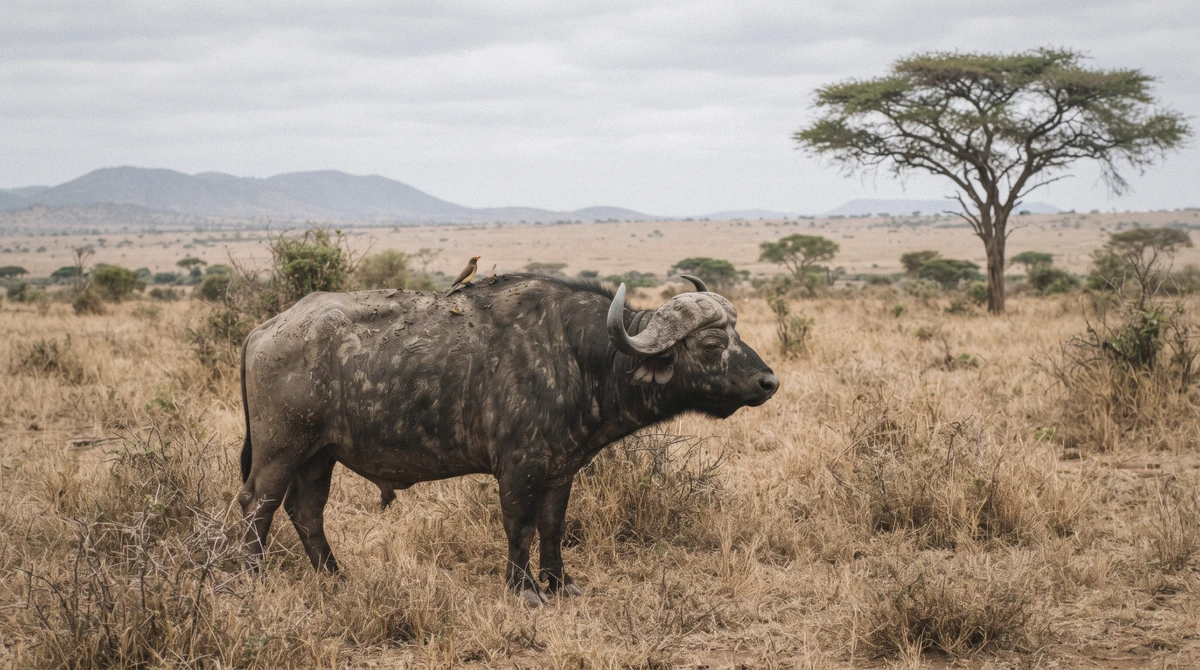
| Getting too close to a defensive animal, particularly a mother with young or a resting buffalo | Keeps a standard viewing distance and reverses away at the first sign of agitation | A driver edging closer for a better photo after an animal has already reacted |
| Sun exposure and dehydration across a multi-hour open-vehicle day at 1,795 meters | Provides bottled water and builds in shade breaks | No water offered across a full-day itinerary with no shaded stop |
| Baboons and vervet monkeys at the gate complex and picnic areas taking food directly from a visitor's hand | Briefs visitors to keep food out of sight until seated; gate staff discourage feeding | No mention of monkeys at all before a picnic or gate stop |
| Theft of unattended valuables at a crowded stop like the Sheldrick viewing area or the gate complex | Reminds visitors to keep bags zipped and within reach at busy stops | Bags left in an open vehicle with no one nearby and no comment from the guide |
The theft risk above is a property concern, not a physical-safety finding, and it's worth keeping distinct from the park's accident record.
How to Choose a Safe Operator in Nairobi
The honesty above only earns its keep if it turns into something you can actually act on when booking. Ask directly: does the vehicle and driver carry a current Kenya Wildlife Service permit, is passenger insurance confirmed, how many years has the company operated. Green flags worth watching for: an unhurried, thorough briefing at pickup, a driver who slows or stops well before reaching a resting animal rather than crowding it, visible seatbelts and a roadworthy vehicle, and willingness to shorten or reroute a drive after heavy rain rather than push through. A confirmation message that names your actual pickup time and vehicle type the evening before is a small but real signal too, since it shows the operator runs an organized back office, not just a booking page.
Red flags, named specifically: a rushed waiver or booking confirmation with no real briefing, a driver who says something like "we'll get closer, just this once" near a sensitive sighting, unattended bags left at a stop with no reminder to keep valuables close, or a vehicle with visibly worn tires or mismatched seatbelts. If you'd rather have full control over the guide and pace instead of trusting a shared drive's group dynamic, our private tour option lets you vet a single dedicated driver directly. If you're weighing whether to self-drive instead of booking a guided operator at all, our honest breakdown of visiting Nairobi National Park without a tour covers the safety tradeoffs of that route directly. Nervous but cleared to go? Start with the first safari walkthrough.
Check Before You Book
A short pre-booking checklist that turns the vetting advice above into six yes-or-no answers.
- Licensed operator named on the listing
- Free cancellation window confirmed
- Seatbelts in the vehicle (ask for child seats early)
- Morning departure slot
- Water included or packed
- The eCitizen/fees line understood
Who Shouldn't Do It: Restrictions at a Glance
Every restriction below reflects a real, sourceable consideration for a vehicle-based safari day, not an invented one.
| Restriction | Typical rule on Nairobi tours | Why it exists | Ask before booking if... |
|---|---|---|---|
| Pregnancy | Generally advised against, particularly on unpaved sections during the long rains | Sustained jostling on rutted tracks with limited quick-exit options mid-drive | You're pregnant at any stage, especially in the third trimester |
| Minimum age | None enforced by any operator on this site | The park and its companion attractions are vehicle- or platform-based rather than technically restrictive | You're traveling with a very young child, see our Nairobi National Park with kids guide for the honest age-by-age breakdown |
| Weight (individual) | No published weight limit for standard vehicle seating | Seating is standard vehicle bench and bucket seats, not a harness or specialized rig | You have any concern about seatbelt fit in a smaller vehicle, ask your operator directly |
| Heart condition or high blood pressure | No formal exclusion, but a real consideration for exertion and heat | Extended sun exposure and a multi-hour day can add cardiovascular strain | You have a diagnosed heart condition or uncontrolled blood pressure |
| Back problems or recent surgery | No formal exclusion, but the unpaved dams loop is genuinely bumpy | Sustained jostling on rutted tracks can aggravate a healing injury | You've had recent spinal or abdominal surgery |
| Mobility limitations | The game drive is fully accessible from a vehicle seat; the Sheldrick standing hour and Giraffe Centre stairs are not | Those two add-on stops involve standing or climbing that the park drive itself does not require | Mobility affects standing for an hour or climbing a single flight of stairs |
| Epilepsy | No formal exclusion for the game drive itself | The drive involves no strobing lights or confined triggers; flash photography near animals is discouraged for wildlife reasons, not medical ones | You have a seizure condition affected by heat, dehydration, or long travel days, ask your doctor about the specific itinerary |
| Intoxication | Not permitted on any tour | Guides need sober passengers who can follow safety instructions immediately near wildlife | You or a companion plan to drink before an early morning pickup |
What If Something Goes Wrong: Scenarios, Honestly
A sudden weather change turns the track to mud
What happens: rain during the long rains can make specific loops impassable within minutes. What the crew does: reroutes to firmer ground or heads back toward the gate rather than pushing through. What you do: expect a shortened or rerouted drive on a wet-season day, and treat any refund or reschedule policy as this specific operator's, not a park-wide guarantee, so ask before booking in March through May.
An animal reacts defensively near the vehicle
What happens: a startled buffalo or an elephant near the park boundary can act unpredictably if approached too closely. What the crew does: reverses away immediately and keeps a standard distance rather than edging closer for a better view. What you do: stay seated, keep your voice down, and trust the guide's read of the animal's body language over your own instinct to get one more photo.
A passenger has a medical event or panics mid-drive
What happens: heat, dehydration, or a preexisting condition can surface hours into a day that started at 5:45. What the crew does: radios ahead and heads for the nearest gate or a known access point rather than continuing the planned route. What you do: disclose any relevant medical condition honestly at booking, since that's the one detail a guide can't see for themselves and the one most likely to change how they plan the day.
Weather cancels the drive outright
What happens: severe storms occasionally force a full closure decision by park authorities. What the crew does: reputable operators rebook or refund rather than run a compromised drive. What you do: check an operator's stated weather policy before paying, since this varies operator to operator and no single standard applies park-wide.
Across all four scenarios, one lever matters most and it's the one entirely within your control: disclosing a medical condition honestly and choosing a licensed, transparent operator up front do more for your outcome than anything that happens once the drive is underway.
Safer Alternatives If You're Excluded
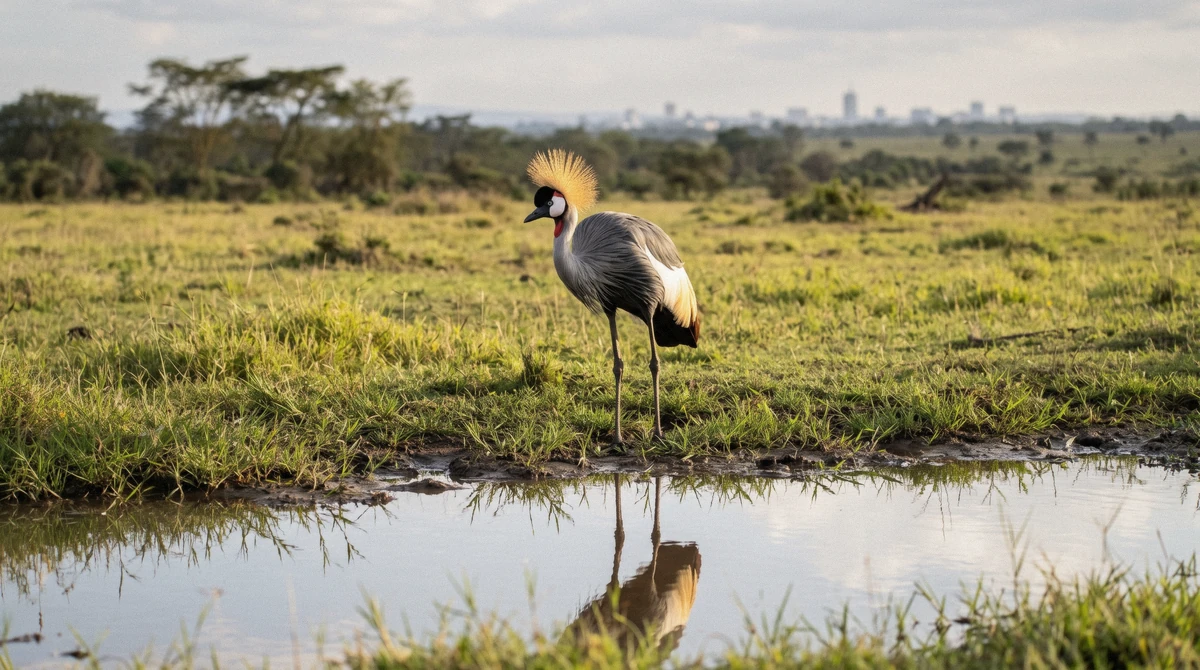
Travelers ruled out by pregnancy, a back injury, or limited mobility still have a genuine option: the Safari Walk and Animal Orphanage is an on-foot, flat-path attraction at the same park entrance, $25 for adults and $15 for children, that trades the vehicle's jostle for a paved, self-paced walking route. Anyone excluded specifically from the Sheldrick standing hour or the Giraffe Centre's stairs can still do the Nairobi National Park game drive on its own, which asks nothing beyond sitting in a vehicle seat for the whole visit.
Frequently Asked Questions
Has anyone died on a Nairobi National Park safari?
No independently published record ties a visitor death specifically to tourism operations inside the park. See the safety record section above for the honest framing of what is and isn't known.
Can I do a game drive while pregnant?
Generally advised against, particularly in the third trimester and on unpaved sections; see the restrictions table above.
Is there a weight limit for the safari vehicle?
No published limit for standard vehicle seating. Raise any specific concern directly with your operator before booking.
Is there an age limit for Nairobi National Park?
No, none of the operators on this site enforce one. See our with kids guide for the honest readiness breakdown by age.
Is it safe with a heart condition or high blood pressure?
No formal exclusion, but the combination of sun, duration, and heat is a real factor. Talk to your doctor and mention the itinerary's length before booking.
Is Nairobi itself safe to visit, not just the park?
That's a different question from this guide's scope. For destination-level safety, crime, and current advisories, check your own government's official travel advisory service, the US State Department's four-level system or the UK FCDO equivalent, for example, rather than a tour operator's opinion. This guide covers activity safety inside the park only.
What happens if the weather turns bad mid-drive?
The guide reroutes to firmer ground or heads back early. Refund or reschedule policy for weather varies operator to operator, so ask before booking during the long rains, March to May.
Do I need travel insurance that specifically covers a safari?
Standard travel insurance typically covers a vehicle-based game drive without an added rider, unlike higher-exertion adventure sports, but always confirm medical and evacuation coverage applies in Kenya specifically before you travel.
Nairobi National Park is safe by the numbers that actually exist: a ranger-patrolled, vehicle-based route inside a regulated wildlife area, with no independently published record of visitor deaths tied to its tourism operations. It genuinely is not risk-free, and it is not right for every traveler; pregnancy, serious back or heart conditions, and mobility limits around the standing or stair-climbing add-ons are worth planning around honestly rather than ignoring. The one lever most within your control is the operator you choose: ask about Kenya Wildlife Service permits, insurance, and their weather policy before you pay.