Nairobi National Park: Everything You Need to Know
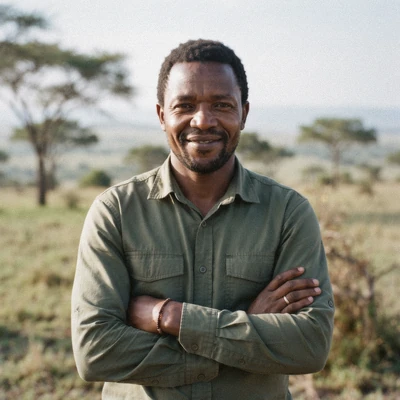
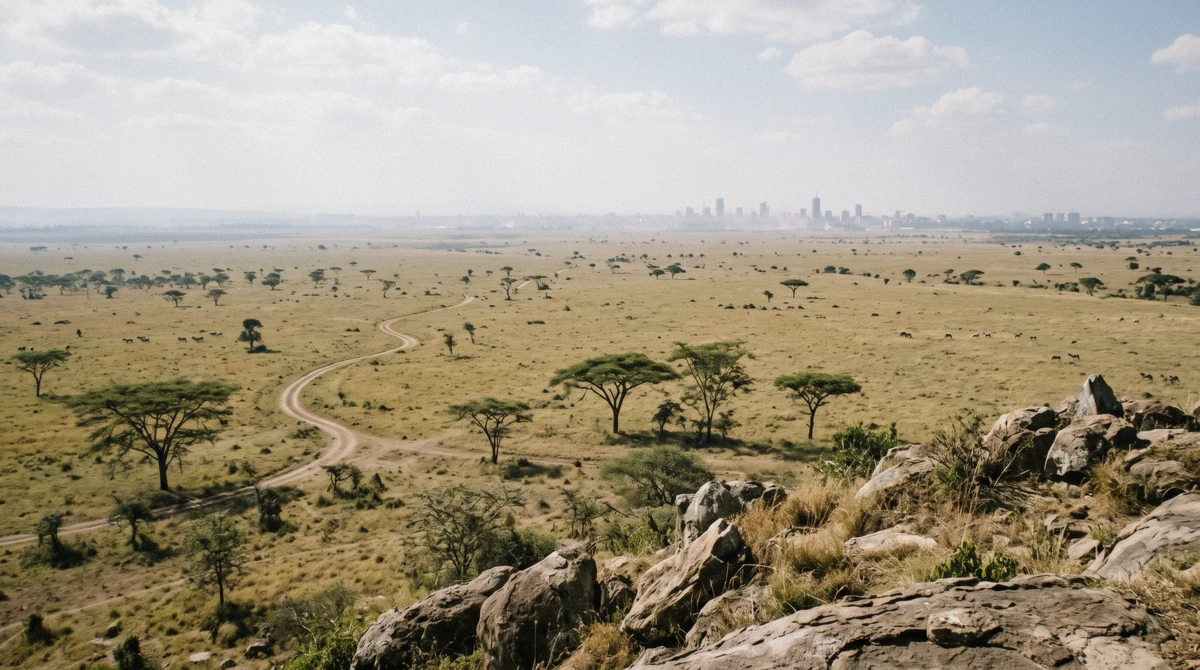
Nairobi National Park is the world's only national park inside a capital city, a 117-square-kilometer wilderness of lions, rhinos, and open plains twenty minutes from downtown. A morning here runs anywhere from about $37 for a shared drive to $95 for a private day that also covers the elephant orphanage and Giraffe Centre, and the driest months from June through October give the clearest sightings. One thing worth clearing up before anything else: the park has no elephants, so pair it with the orphanage next door rather than expecting tusks on the drive. Our take, after guiding these mornings for years: it earns a spot on almost any Nairobi itinerary, and this Nairobi National Park guide is the fastest way to plan yours, or browse Nairobi's wildlife tours side by side.
Quick answer
Nairobi National Park in one paragraph: the only national park inside a capital city on earth, 117 square kilometers of lions, rhinos, and open plains 20 to 40 minutes from downtown Nairobi, open daily from 6:00 to 19:00. A shared morning game drive starts around $37 plus $50-80 in park fees, the dry months from June through October and January through February give the best sightings, and it is worth the morning for nearly every traveler passing through Nairobi.
Key takeaways
- Cost runs from about $37 for a shared drive to $95 for a private full day; see the full entry fee breakdown
- June through October and January through February are the driest, clearest months; full month-by-month guide
- Rhinos are the single best reason to go, more reliable here than in most Kenyan parks
- First-timers, families, solo travelers, and layover visitors all fit this trip; private tours suit those who want their own pace
- There are no elephants in the park itself, so most visitors add the Sheldrick elephant orphanage next door
Which Guide Do You Need?
If you're still deciding whether this is worth your time
read the full is Nairobi National Park worth it breakdown
If you want the exact cost of every attraction, not just the park
see every Nairobi wildlife attraction fee in one table
If you're choosing a month to travel
check the best time to visit month by month
If you're weighing a health condition or safety concern
read is Nairobi National Park safe for the honest answer
Quick Planning Cheatsheet
Everything below cross-checks against the full guides it links to, so treat this as the cluster's map, not the final word on any single question.
| Category | Quick Answer |
|---|---|
| Cost | $37 shared to $95 private, plus $50-80 in park fees |
| Best months | June to October, January to February |
| Duration | 3 hours for the core drive, up to 9 for a full combination day |
| Booking lead time | 1-3 days ahead is usually enough; book any Sheldrick slot first |
| Kid-friendly? | Yes, no minimum age |
| Difficulty | Easy; seated the whole time, no hiking involved |
| Top spot | Northern Plains Skyline Stretch, rhinos and skyline in one frame |
| Worth it? | Yes, for nearly every itinerary |
If the David Sheldrick elephant orphanage is part of your day, lock that 11:00 slot in first since it books out weeks ahead in peak season, then build your park tour or self-drive day around it, and only after that confirm your hotel dates.
How Long to Spend at Nairobi National Park
Three hours covers the core game drive circuit, but most visitors end up spending closer to half a day once the Hippo Pools walk or a stop at the gate shop gets added in. A full combination day that folds in the Sheldrick elephant orphanage and Giraffe Centre runs eight to nine hours and turns one morning drive into Nairobi's complete wildlife day.
- 05:45 pickup, 06:00 through the gate for the productive early light
- 06:15-08:30 the game drive proper, rhinos and lions at their most active
- 08:30-10:00 the Hippo Pools or dams loop, then out before the light flattens
- Afternoon free for the Giraffe Centre, a city stop, or rest before an onward flight
A two-day or combined version
Spread the day out if you prefer a slower pace over one long combination day:
- Day one: the park at dawn, the Sheldrick 11:00 hour, Giraffe Centre in the afternoon
- Day two: the Karen Blixen Museum or the Kazuri Beads workshop if energy remains
- Either version works; the split just suits families and unhurried travelers better
Read the full first Nairobi safari walkthrough if this is your first time putting a day like this together.
Is It Worth It?
Yes, for nearly every traveler passing through Nairobi. It is the only national park on earth inside a capital city, entry plus a shared drive costs less than a nice dinner for two, and rhino sightings here are more reliable than in most of Kenya's larger parks. The one real trade-off is scale: at 117 square kilometers it never pretends to be the Masai Mara, and travelers who only care about elephant herds and endless horizons should put their time there instead.
For everyone else, especially first-timers, families, and anyone with a spare morning in the city, it earns its place. Read the full worth-it breakdown for the complete pros, cons, and Masai Mara comparison.
What It Costs
A shared morning game drive starts around $37 before park fees, a fee-inclusive half or full day runs $70 to $95, and a private tour holds steady near $95 per person regardless of group size. Budget travelers do best pairing the $37 drive with fees paid separately; mid-range travelers get the most value from a fee-inclusive combination day; and anyone prioritizing pace and privacy over price should go straight to the private option. Whether park fees are bundled into the tour price matters more than the sticker number itself, so read the inclusions line before comparing two prices.
The full attraction fee table and our dedicated entry fee guide break down exactly where that money goes, and our review of the $37 shared game drive covers what that budget tier actually includes.
Best Time to Go
June through October and January through February are the two dry windows, when short grass and low water concentrate wildlife near the rivers and the roads stay firm enough for an easy morning drive. January and February are the quieter of the two, with clear skies and fewer visitors than the mid-year peak. Avoid March through May if sightings matter more than cost: the long rains bring tall grass that genuinely hides game, though it is also the greenest and emptiest stretch of the year.
Whatever month you land in, the time of day rescues almost any season, since a 6:00 gate arrival beats an afternoon visit every time. The full month-by-month breakdown covers rainfall, crowds, and pricing in detail.
Getting There
The park sits 20 to 40 minutes from downtown Nairobi depending on traffic, 15 to 25 minutes from Jomo Kenyatta International Airport to the East Gate, and most tours collect guests directly from hotels in Karen or Langata. Self-driving is straightforward in an ordinary car during the dry months, though most first-timers let a tour handle the gate logistics and the eCitizen payment. Landing on a long layover changes the math in your favor: with seven or more hours between flights, a dedicated layover safari can get you in and out with time to spare, something almost no other capital city on earth can offer.
The full route and transport comparison walks through every option, gate by gate.
What You'll See
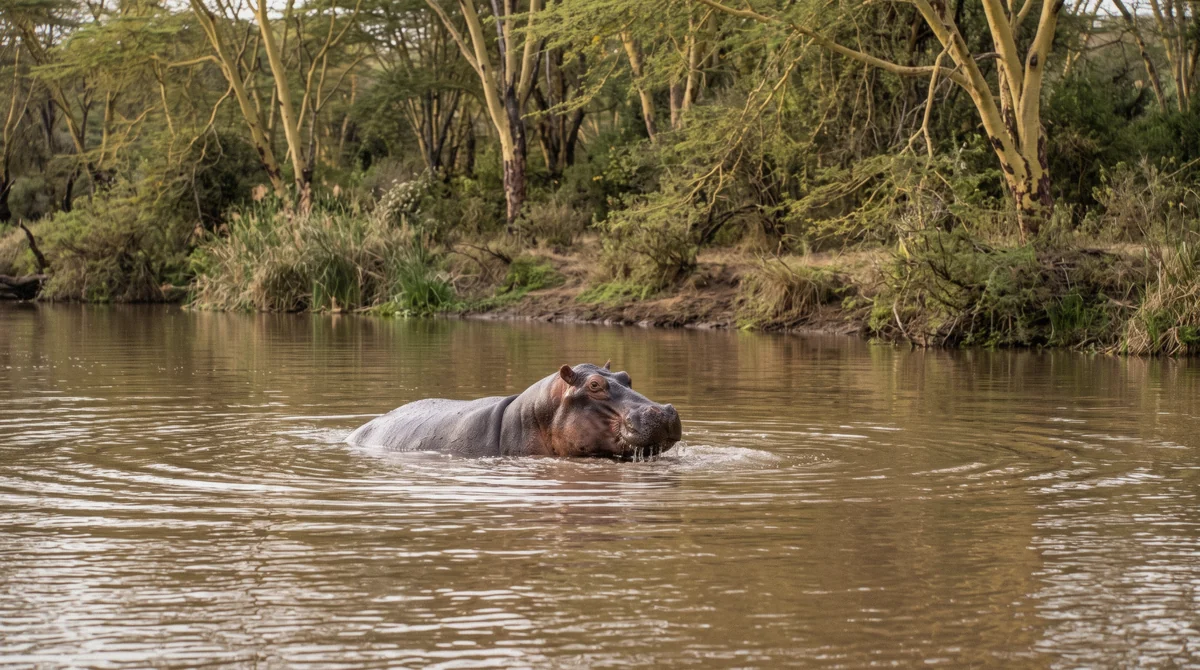
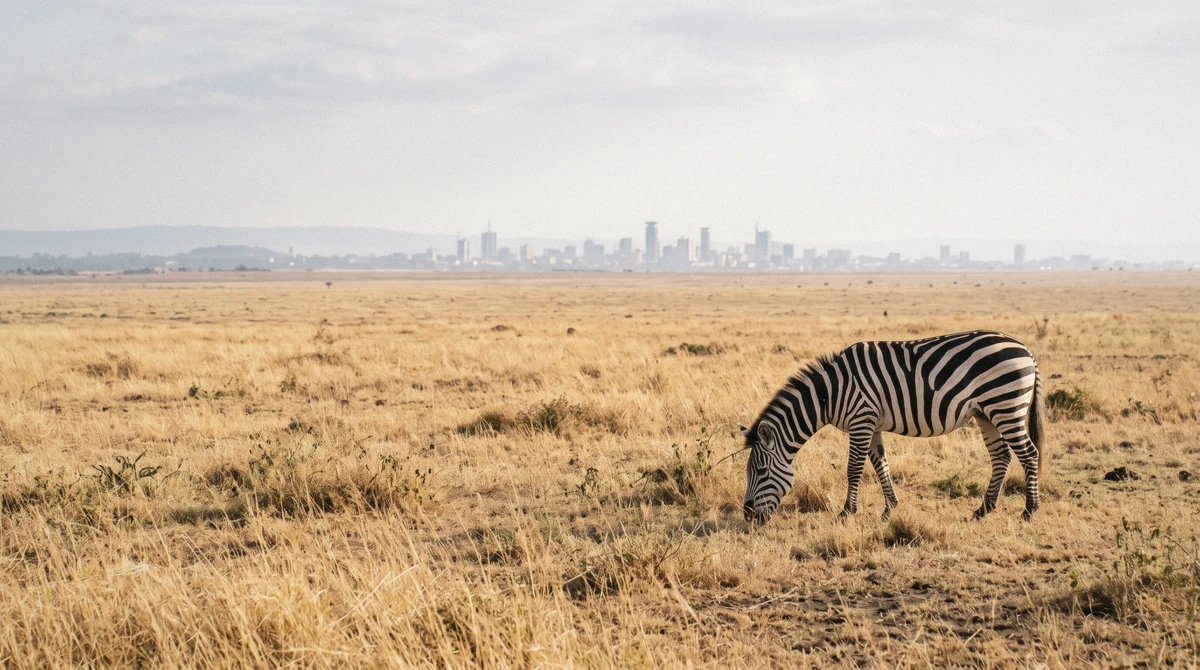
Rhinos are the headline act, both black and white, often spotted within the first hour after the gates open, and sightings here are more consistent than in most of Kenya's bigger parks. Lions, buffalo, giraffes, zebras, and hippos round out a typical morning, alongside more than 400 recorded bird species that peak between November and April. Two spots do the heaviest lifting for a memorable morning: the Northern Plains Skyline Stretch, where wildlife shares one frame with Nairobi's skyline, and the Ivory Burning Site Monument, a quiet piece of conservation history a short drive from the main gate.
What you will not find is elephants. The park has none, which surprises nearly every first-time visitor, so most itineraries add the Sheldrick elephant orphanage next door to close the gap. See every animal's real odds, season by season, in our wildlife likelihood guide.
Visiting Without a Tour
Self-driving Nairobi National Park is officially allowed, no guide is required, and an ordinary saloon car manages fine on the main loop during the dry months. The trade-off is real: tour guides find rhinos and cats by radio chatter you will not have access to alone, so a self-drive morning usually means fewer sightings for the same time invested. It works best for repeat visitors who already know the road network, or budget travelers happy to trade some sightings for full control of the schedule.
The full self-drive breakdown covers permits, routes, and what independent visitors consistently miss.
Where to Stay
Karen and Langata are the two neighborhoods built around this side of Nairobi's wildlife circuit, both 10 to 20 minutes from the park's main gate and the same short hop to the Giraffe Centre and the Sheldrick orphanage. Staying there over downtown Nairobi shaves real time off an already-early 5:45 pickup, and nearly every tour on this site collects guests from hotels in that area without exception. The full area and hotel guide covers specific properties at every budget.
What to Wear
Mornings run 10 to 14°C at 1,795 meters elevation, cold enough to want a jacket at the 5:45 pickup, while afternoons climb past 25°C once the sun is up. Neutral layers over a t-shirt, closed shoes, and a hat cover both extremes, and tour operators supply water and blankets so you mainly need to bring the clothing itself. The full packing list covers camera gear, sun protection, and the layers that make the early start comfortable.
Who It Suits
First-time safari-goers get a gentle, affordable introduction before committing to a longer itinerary, and our first Nairobi safari guide walks the whole morning step by step. Solo travelers do just as well here as couples or groups: shared drives run daily with no minimum headcount, and our solo safari guide covers what changes when you travel alone. Families with young kids fit naturally too, since there is no minimum age and the loop is short enough for limited attention spans.
Elderly travelers and most people with mobility limitations manage the trip comfortably since the whole morning happens seated in a vehicle, though anyone with a serious mobility or health condition should read the full safety and restrictions guide before booking. Travelers who want their own pace, a dedicated guide, and no waiting on strangers should book private instead of shared, and our shared vs private comparison lays out exactly when the extra cost is worth it.
See every option side by side, shared and private alike, if you'd rather compare Nairobi zoo and safari tours before deciding.
Safety in Brief
Nairobi National Park is a closely regulated, vehicle-based safari inside a Kenya Wildlife Service park, and no independent public record ties a visitor death or serious accident specifically to its tourism operations. Viewing happens from inside licensed vehicles on ranger-patrolled roads, which is the main reason the risk profile here reads calmer than most people expect from the words wild lions. Pregnancy is the condition that most often rules a traveler out, and anyone with a serious heart, back, or mobility condition should get a doctor's input first.
The full safety and restrictions guide covers every condition in detail, alongside how to vet an operator before you book.
Photography in Brief
The frame that exists nowhere else on earth is wildlife against Nairobi's skyline, best caught at the Northern Plains Skyline Stretch in the first hour after the 6:00 gate opening, when the light is soft and low. Bring the longest lens you own for the classic compression shot, and accept that a pylon or a plane on approach to Wilson Airport will photobomb at least one frame you loved. The full photo spot guide covers all five locations, camera settings, and the etiquette rules around drones and vehicle roofs.
Common Misconceptions
A few assumptions trip up nearly every first-time visitor. The biggest is expecting elephants: the park has none, and the closest thing is the Sheldrick orphanage next door. The second is treating this as a smaller version of the Masai Mara; it is a different trip entirely, built around a short morning rather than days of open savannah, and comparing the two head to head misses what each one actually does well.
The third is assuming every drive delivers the same sightings: cheetahs and leopards show up on a good day, not every day, and any guide who promises them is overselling. The fourth, less obvious one, is assuming a park this close to a capital city must feel tame. It doesn't.
The animals are genuinely wild, the roads are genuinely dirt, and the only thing urban about the experience is the skyline on the horizon.
What to Book First
If the David Sheldrick elephant orphanage is anywhere in your plan, lock that in first. It runs one public hour, 11:00 to 12:00, it fails outright with no refund if you show up outside that window, and it is the piece of the day least forgiving of a change of mind. Once that slot is confirmed, book the game drive or arrange a self-drive day around it, since that booking is what determines your pickup time and route.
Hotels come last: with Karen and Langata this close to everything, most travelers find a room to fit the schedule rather than the other way around. Our common Nairobi safari mistakes guide covers this exact sequencing trap and eleven others worth knowing before you book anything.
Our Recommendation
If you only take one thing from this guide, take this:
Frequently Asked Questions
How much total time should I budget for Nairobi National Park and the wildlife stops nearby, not just the drive itself?
Budget three hours for the bare game drive, half a day if you add the Hippo Pools walk, and a full eight to nine hours if you fold in the Sheldrick elephant orphanage and Giraffe Centre. Our first Nairobi safari walkthrough breaks the timing down hour by hour.
Should I book before I land in Kenya, or can it wait until I arrive?
Book before you land if the Sheldrick elephant orphanage or peak-season dates from July through October are part of your plan, since both fill up. Outside of that, a day or two ahead is usually enough for the park itself. Our Nairobi safari mistakes guide covers the booking traps that catch people who wait too long.
Does a Nairobi National Park morning vary a lot from visit to visit, or is it basically the same every time?
It varies more than people expect. Grass height, recent rain, and the time you arrive at the gate all change what you see, which is why the dry months and a 6:00 arrival matter so much. Our best time to visit guide breaks down what changes month by month.
What should a first-timer read before booking anything?
Start with our first Nairobi safari guide, which walks through a typical morning step by step, then check the worth-it breakdown if you are still deciding whether it fits your trip.
Do I need to combine Nairobi National Park with another stop for the day to feel worthwhile?
Not strictly, but most visitors do. Pairing the morning drive with the Sheldrick elephant orphanage and Giraffe Centre solves the park's one real gap, the lack of elephants, and turns a good morning into a full wildlife day.
Is this trip realistic for elderly travelers or someone with a disability?
For most people, yes, since the entire visit happens seated inside a vehicle with no walking required beyond the optional Hippo Pools stretch. Anyone with a serious mobility or health condition should read the full safety and restrictions guide first.
Should I go solo, join a shared group, or book a private tour?
Solo travelers do fine on shared drives, which run daily with no minimum headcount; our solo safari guide covers the details. Choose private instead if pace and privacy matter more than price, and our shared vs private comparison lays out exactly when that trade-off is worth it.
What's the single biggest thing people misunderstand before their first visit?
That the park has elephants. It doesn't, and pairing the morning with the Sheldrick orphanage next door is how nearly everyone closes that gap. The second most common surprise is how close the city actually feels, skyline included, from inside a genuinely wild park.